Loading Bay Door Springs
Hamilton Dock Doors
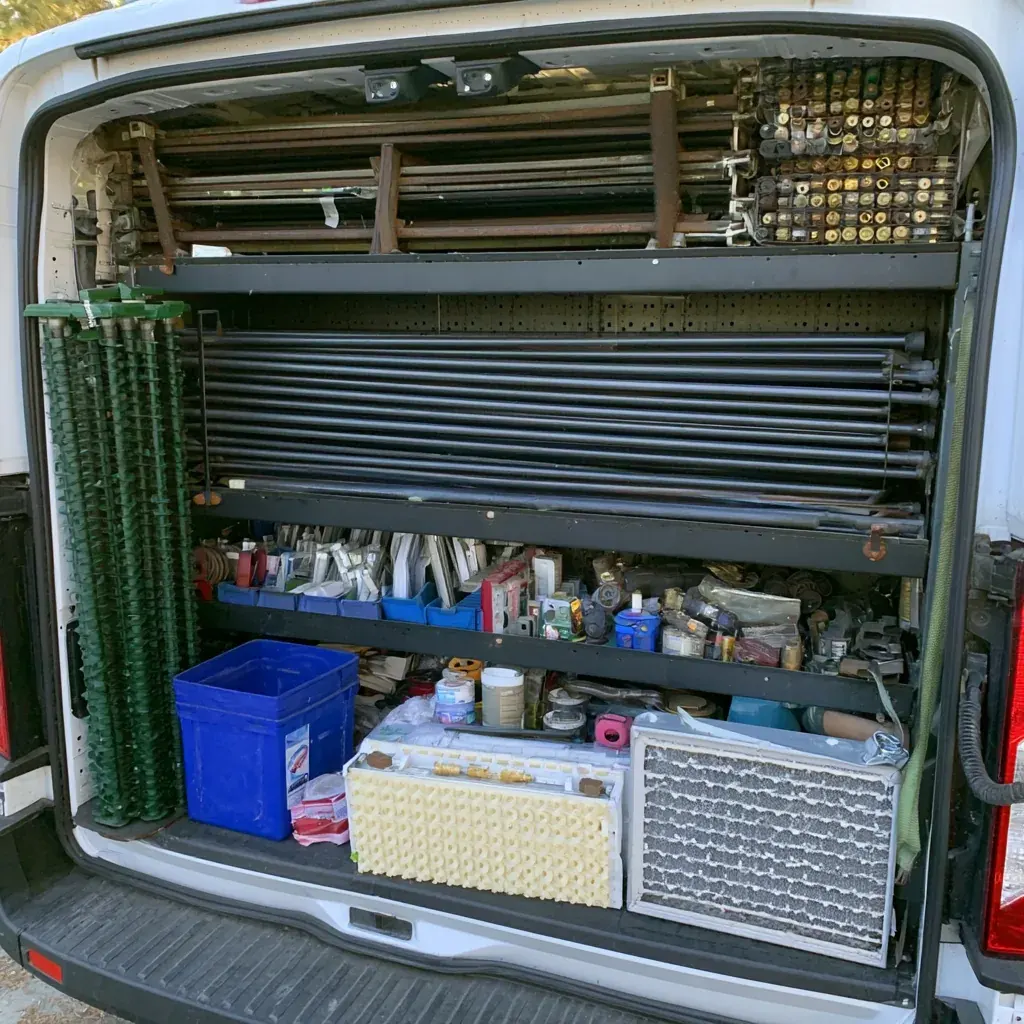
Planned roll-up unit door spring service in Hamilton, with grouped repairs, unit records, and downtime in view.
Across a self-storage facility, pros assess each roll-up unit door, note spring and latch condition by unit, and group compatible repairs into a planned visit. They document findings and parts fitted so you can track downtime, outstanding work, and maintenance costs before tenant turnover.
A dead roll-up door costs more with every hour it keeps a unit out of normal use: staff may need to explain the delay, redirect a tenant, and revisit the same access issue. In Hamilton, spring service across a storage facility starts by finding which doors are slowing work and how urgently each needs attention. A spring supports the curtain’s movement; the latch has its own job. Treating both as part of one inspection helps you plan repairs around actual interruption instead of waiting for a row of complaints.
Tenant turnover changes the work pattern. A unit door may move repeatedly during a move-in or move-out, then remain idle; each complete opening and closing adds to the spring’s cycle count. At the same time, repeated handling can expose a latch that catches, slips, or no longer lines up cleanly. In Hamilton, record those as separate observations. That distinction helps the pros we connect you with identify whether the immediate delay comes from spring fatigue, latch wear, or both.
For a Hamilton facility, the useful result is a door-by-door picture you can act on: what needs prompt attention, what can be grouped into scheduled work, and what should be watched. Keep site records tied to the correct property; if your regional files also reference Oxford Memorial Park, Miami University, or Uptown Parks, label those locations separately from Hamilton. That clarity gives your budget review a sound starting point and keeps a service discussion focused on the doors and downtime involved.
A curtain that feels heavier to raise, stops at an unfamiliar point, or moves unevenly is a practical sign to log. Those changes can indicate that the spring no longer counterbalances the door as intended, while a latch that needs extra handling may create its own access delay. In Hamilton, note the unit identifier and what staff observed before the report fades into a general maintenance request. If the door cannot be controlled safely, keep it out of use until a pro assesses it.
When you plan spring work, ask how the expected use compares with the spring’s cycle rating. One cycle means a full opening followed by a closing; the rating describes that repeated use, not a number of calendar years. A door used heavily around tenant turnover may call for a different service plan from one that rarely moves. The pros we connect you with can explain the rating selected for each Hamilton unit door and note the basis in the work record.
| Observed wear | Units affected | Repair notes |
|---|---|---|
| Spring fatigue | Door slows or stops, keeping a unit unavailable | Map affected doors before tenant turnover |
| Latch wear | Key or latch sticks after repeated hand use | Log latch condition with spring findings |
| Turnover handling | Repeated closing can loosen latch connections | Review affected units when tenants change |
| Older key hardware | Unfamiliar assemblies can slow parts matching | Photograph hardware and note identifying marks |
| Cable and drum wear | A door may tilt or stop mid-travel | Include cable seating and drum condition |
| Guide friction | Scraping or jerky travel adds repair time | Note contact points before assigning work |
| Batch scheduling | Several closed units reduce rentable availability | Group nearby doors into one access window |
| Work history | Missing details make future budgeting less clear | Record dates, parts, findings, and unit identifiers |
Batch service can reduce the disruption of repeated appointments when several Hamilton doors need attention. Group units by row or building, then set the work order around occupancy and access needs. A short, agreed window for one section may be easier for staff to manage than scattered closures across the site. Before work begins, make sure the affected units are identified and tenants have a clear notice, so the service sequence does not create avoidable delays.
Give every inspected door its own entry, even when the pros we connect you with handle several in one visit. Include the unit location, reported symptoms, spring and latch observations, any parts changed, and recommended follow-up. In Hamilton, a consistent record lets you compare repeat trouble by row and see whether a door’s service history is changing. It also gives the next person reviewing the work enough context to understand what was found, rather than relying on a brief invoice description.
Useful records turn a group of repairs into a planning tool. Separate doors that need attention soon from those that can be included in a later scheduled visit, and keep the reason with each recommendation. Then compare the scope and parts involved before assigning funds. For a Hamilton budget review, this makes the drivers of commercial spring repair clearer: the number of affected doors, their hardware condition, and whether older latch components add work. No single facility-wide total tells that story on its own.
A new drop, a sudden change in travel, or a curtain that no longer stops where staff expect deserves a prompt entry in the site log. Those observations help locate a developing service need before it becomes a longer interruption. In Hamilton, include the time reported and the unit identifier, then keep the door out of use if its movement is uncontrolled. Do not ask staff to test a loaded spring or force a latch; have the condition assessed by a pro.
Set planned spring work ahead of a busy turnover window when the calendar allows, and leave room to address reports that cannot wait. Coordinate the order of units with the staff handling tenant access, so a scheduled repair does not block more doors than necessary. For Hamilton properties, a row map and an agreed sequence help turn a broad maintenance visit into manageable sections. Share changes in occupancy before the appointment so the work plan can reflect current access needs.
Older unit doors may have latch parts left from an earlier master-key arrangement. A replacement component that looks close can still sit out of alignment or fail to engage properly, even if the spring is doing its job. Ask the pros we connect you with to note the existing hardware and any fit issue as a distinct finding. That detail matters in Hamilton when you review the scope: latch compatibility may add work beyond the spring service itself.
Cost is measured in more than the repair: a stuck roll-up unit door can leave a rented space unusable and pull staff from move-ins. In Hamilton, the pros we connect you with can assess doors by row, note spring condition, latch drag, cable wear, and hardware that may reflect older master-key systems, then group repairs into planned visits. Tenant turnover often exposes rough latches or doors that no longer travel evenly. A damaged bottom seal can leave a gap that lets dust pass beneath a closed door.
The cost of commercial spring repair depends on how many doors need work, the spring arrangement and condition, and whether connected parts or older latch hardware also need attention. Downtime adds a separate operating cost: staff time spent handling reports and delayed access can accumulate while a unit remains unavailable. For Hamilton, ask for the findings and proposed work by door, so you can weigh the repair scope against the interruption each unit is causing.
Schedule a facility-wide unit door spring assessment before tenant turnover compresses your calendar. Share the row map, occupancy changes, known latch issues, and recent service records with the pros we connect you with. Ask them to identify each door assessed, document what needs attention, and distinguish immediate work from items suitable for a planned batch. That gives you a clearer basis for scheduling and budgeting across your Hamilton facility, with less guesswork about where the next interruption may come from.
Commercial spring repair cost is shaped by how many unit doors need attention, whether the latch hardware can be matched, and how long each opening must stay out of use. In Hamilton, a jammed door can turn a routine move-out into staff follow-up, a delayed unit reset, and a tenant waiting for access. A facility-wide review helps you see which doors can be handled in one planned window and which need separate parts or access arrangements. Around the Great Miami River, Marcum Park, and RiversEdge Amphitheatre, the local reference points are familiar; your work records should make each unit’s downtime just as clear.
Residential spring service in Butler starts with the home's location; use the community links to see where an address may fall within reach, includingWest Chester, Trenton and Hamilton. Check whether the trip itself appears on the bill, and whether a farther address changes that amount before you book.
A broken spring can leave a commercial door unable to open or close normally. The visit allowance changes with opening dimensions, the number of loading or receiving doors in scope, and how regularly service is arranged; access and account size can also alter labor.On a Hamilton commercial door, width, weight, lift design, and how often it runs shape spring capacity and supporting hardware, so the parts total can change with the opening. When you call, mention the door dimensions if known, its use through the day, and whether it binds or travels unevenly.For complete cost bands, visit pricing guide; commercial overview lays out how a scheduled program is arranged.
Hamilton Dock Doors
Hamilton Commercial Doors
Plan the check while a unit is vacant, before the next move-in makes access harder. In Hamilton, record the unit identifier and what staff or the departing tenant noticed, then have the pros we connect you with assess spring movement and latch operation. A door that needs extra pulls or no longer closes cleanly deserves attention before the next tenant depends on it. Grouping these checks around turnover makes the work easier to schedule.
Yes. You can arrange access to a row or building in one visit, then have each unit door assessed on its own. Similar work can be grouped to limit repeated setup and keep more openings available during the service window. In Hamilton, give the pros we connect you with a unit list and any known access restrictions beforehand; they can document which doors were checked, what was found, and what still needs follow-up.
Treat an older latch as a separate identification task while the spring is assessed. Master-key-era assemblies may have markings or shapes that do not match current parts, so record what is visible and have the pros we connect you with confirm compatibility before ordering. A latch that catches poorly does not prove the spring is worn, and a door that lifts unevenly does not establish a latch fault. Keep both findings tied to the unit record.
Take the unit door out of use if its curtain binds, will not stay in position, or has a visibly damaged spring. Keep people clear and do not force it up or down, or adjust the spring. In Hamilton, identify the affected unit for staff and arrange a professional assessment. Debris in the side guides can interrupt the curtain’s travel and make the door difficult to operate.
Schedule a Hamilton facility-wide unit door spring assessment and map spring and latch wear before tenant turnover changes access.
Call +15139620870