Commercial Roll-Up Door Springs
Hamilton Commercial Doors
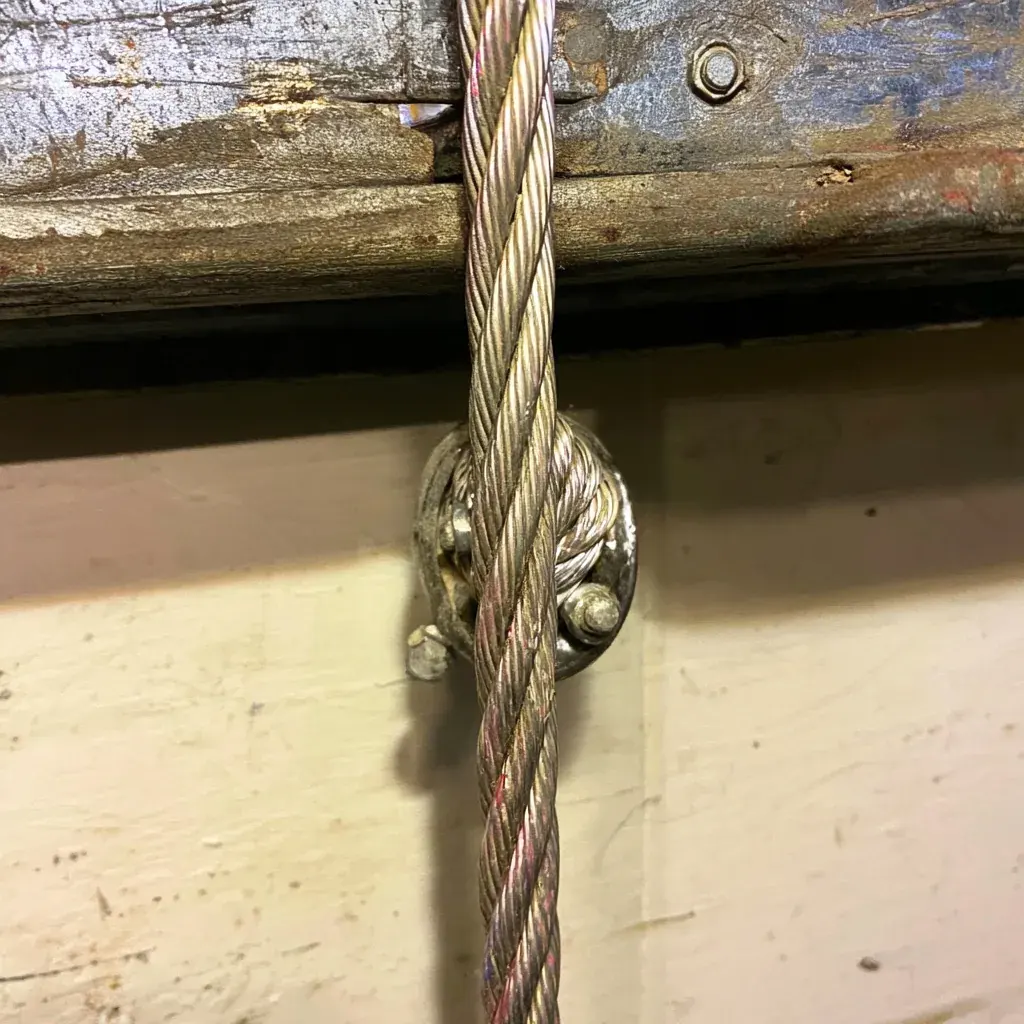
Plan Hamilton high-cycle dock door spring service around freight pauses, impact findings, and clear records for each bay.
Maintain high-cycle loading bay springs by watching for changes in door movement, recording impact damage, and arranging service during a confirmed shipping pause. Keep spring specifications and inspection results with the bay record so future work can be planned around operating hours.
Commercial spring repair cost depends on the door’s spring rating and condition, plus the time needed to work around freight hours. On a Hamilton loading bay, a sectional door cycling through steady shifts puts a different demand on its springs than an opening used occasionally. High-cycle springs are rated for repeated movement, but the rating helps with planning only when you know how the door is used. A useful schedule connects that expected wear to shipping activity, so maintenance can be arranged before a spring problem closes an important opening.
A sharp jolt can change a door’s movement even when the spring still appears intact. After a truck or shifting freight makes contact, watch from a safe distance for a panel sitting out of line, a new scrape, or travel that becomes uneven. Those changes can point to damage beyond ordinary spring wear. Note what happened and which opening was involved, then have the door assessed before continued use turns a visible problem into more downtime for the Hamilton facility.
A workable schedule starts with shipping hours, not a generic date on a calendar. Note when each dock door is busiest, when freight pauses, and who can arrange access to the opening; then set spring work for a quieter window. For a Hamilton operation coordinating activity across Fairfield and West Chester, clear time windows help staff plan around the affected bay. Ask the pros we connect you with to build the dock door spring schedule around your shipping hours so service does not interrupt freight flow.
One cycle means the door opens fully and then closes. A spring’s cycle rating describes how many of those complete movements it is designed to handle, not how long it will last on a calendar. High-cycle springs, commonly rated at 25,000 cycles or more, suit doors that move repeatedly through freight shifts. A Hamilton facilities team can compare the rating with observed daily use to decide when to review the schedule, while allowing for actual conditions and interruptions that a rating alone cannot capture.
A new scrape, a pause during travel, or one side rising ahead of the other is useful evidence after a reported impact. Staff should record what they can see without approaching a door that may be under strain, and flag the opening for professional review. In Fairfield, as in Hamilton, a brief observation tied to a specific dock door gives the service visit a clearer starting point. If the door binds or hangs unevenly, stop operating it and arrange an assessment.
| Daily use | Spring rating | Work timing |
|---|---|---|
| Use pattern | Lifts separated by quiet periods | Repeated openings through busy shifts |
| Spring duty | Standard rating for lighter operation | High-cycle rating for constant use |
| Cycle tracking | Count each complete open-close | Compare use against rated life |
| Impact signs | No recent strike or travel change | Contact damage may affect door movement |
| Off-shift access plan | Service fits a receiving lull | Door outage overlaps active shipping |
| Work window | Agree on a low-volume interval | Arrange access after the shift |
| Service notes | Record spring details and findings | Log contact marks and parts changed |
| Review cue | Revisit timing when use changes | Check condition after an impact |
Keep a history for each opening that links use to service. Record the door identifier, estimated daily cycles, spring rating when known, dates of observed movement changes, and work completed. This makes it easier to see whether a heavily used Hamilton dock door is approaching its planned service window, without treating a cycle estimate as an exact failure date. A consistent record also lets the next facilities contact understand why a schedule was chosen and what condition the technician found.
After contact with a vehicle or freight, write down the time, the door identifier, the visible change, and whether operation was stopped. Separate what staff saw from what a technician later determines; a mark on a panel does not by itself explain the spring’s condition. A Hamilton team can place the note in that opening’s service history and share it before work is arranged. That detail helps the pros we connect you with assess the reported change and plan the visit.
When a torsion spring gives out, its partner has carried the same door through the same use. Replacing the pair together can reduce the chance that the older spring fails soon after the opening returns to service. For a Hamilton loading bay, the practical point is continuity: arrange the work as one planned interruption and keep both spring details in the door record. The service notes should show what was replaced and the rating selected, so future scheduling reflects the updated hardware.
Downtime is measured in the work that must wait when a dock door is unavailable. Before setting a visit, identify which freight activity depends on that opening, whether staff can redirect it, and how long the alternate arrangement can hold. A facility near Marsh Park may have a different operating pattern from another Hamilton site, so the schedule should reflect the actual bay and shift. Knowing the consequence of a closed door helps you choose a service window that limits disruption.
An after-hours visit needs a practical handoff: confirm who can provide access, clear the area around the sectional door, and tell affected staff when the opening will be unavailable. The same preparation matters whether your Hamilton schedule has a quiet overnight period or a shorter pause between shifts. Give the pros we connect you with the shipping hours and any recent movement or impact notes before the appointment. That allows the planned work window to fit the facility’s routine.
A useful service record identifies the opening and describes the work in terms another facilities manager can act on. Include the spring type, its rating, relevant measurements, and the date of service, along with any condition found that affected the work. For a Hamilton dock door, this creates a reference for later scheduling and helps distinguish a planned spring change from an inspection prompted by impact. Ask the pros we connect you with to leave documentation you can attach to that door’s history.
Keep staff observations and service findings together, but label who reported each detail. A note that the door began scraping after contact is different from a technician’s assessment of what caused the change. If your operation coordinates buildings in Hamilton and West Chester, using the same record format makes each opening easier to follow without mixing their histories. Clear documentation helps the next person understand what changed, what work was completed, and what should be watched during normal operation.
Planned spring work gives you a chance to reserve a window before a worn component interrupts a busy shift. Use observed cycles, the installed rating, movement reports, and the opening’s role in freight flow to choose when to review or arrange service. A Hamilton facility can note quieter periods on its shipping calendar, then update the door record after the visit. This ties the decision to evidence from that opening instead of relying on a date that may not reflect its actual use.
When you request a dock door spring schedule, share the opening’s location, shipping hours, estimated use, known spring rating, and any recent impact or movement changes. Tell the pros we connect you with which work periods are least disruptive, including after-hours options if the facility can provide access then. In Hamilton, keeping those details with the door history gives future scheduling a sound starting point. The aim is a spring service window that respects freight flow and leaves a clear record of the work.
A crease in a sectional panel or a fresh scrape along its edge can point to a truck or freight impact, even when the spring still looks intact. At a Hamilton receiving door, note which section was struck and whether the door began rubbing or changing pace afterward; that sequence helps a technician look for a new bind before fitting parts. The impact record also gives the next shift a reason to report any change promptly, instead of treating a damaged panel as a cosmetic issue.
Community names offer a starting point; the full property location determines whether residential spring help reaches an address in Butler, includingTrenton, Hamilton and Fairfield. If your address sits beyond the regular route, ask whether a visit is available and what additional travel terms apply.
Plan commercial spring service around each visit: $189–$459 serves as a budgeting reference. The amount varies with the number and dimensions of openings included and the interval between scheduled checks; a broad site with frequent visits takes different time and scope than a compact account checked less often.On a Hamilton commercial door, width, weight, lift design, and how often it runs shape spring capacity and supporting hardware, so the parts total can change with the opening. When you call, mention the door dimensions if known, its use through the day, and whether it binds or travels unevenly.For complete cost bands, visit pricing guide; commercial overview lays out how a scheduled program is arranged.
Hamilton Commercial Doors
Storage Unit Doors
Mark the bay unavailable and notify the site lead. Report which door is affected, when the failure was noticed, and whether a panel looks crooked or shows a visible coil separation. If there was recent contact with a truck or freight, include that detail too. A clear handoff helps the technician arrive prepared and keeps the next shift from assuming the opening is ready for use.
Yes, an off-shift appointment can be arranged when the site can provide access and keep the bay open for the agreed work period. Share the shipping pause, the time the door must be available again, and who can meet the technician. In Hamilton, building access and shift handoffs matter as much as the quiet hours, so confirm those details before setting the visit.
Keep the site address and bay label with the visit date, spring specification, cycle rating, reported symptoms, impact notes, inspection findings, and completed work. Add the result of the post-service movement check and any recommended follow-up. A clear photo of the spring and its mounting points can help show which parts were examined during the visit.
Yes. A hit can leave a panel or its track out of line, so the door may rub or hesitate and place uneven demand on its springs. Record the location of the mark and when the change in movement began. Have the door assessed before treating the spring as the only issue; repairing a spring without finding the source of new resistance can leave the same strain in place.
Ask the pros we connect you with to plan Hamilton dock door spring service around shipping hours and a confirmed freight pause.
Call +15139620870